#18 OF 19 IN CHEMISTRY
Haloalkanes and Haloarenes JEE Main PYQs (2016–2026) with answers
153 questions across 11 JEE Main years, about 1 a paper (≈3 marks). The topics asked most are Nucleophilic substitution of haloalkanes and Elimination reactions of haloalkanes.
- 63% of papers
- ≈3 marks a paper
- Class 12 · Ch 6
From official NTA papers · Updated 9 Nov 2026
What's asked most
- Nucleophilic substitution of haloalkanes24%SN1, SN2 and SNi mechanisms · Stereochemical outcomes and symmetry in nucleophilic substitution
- Elimination reactions of haloalkanes24%Elimination reactions of haloalkanes
- Reactions with metals, reduction and other haloalkane reactions24%Grignard reagent formation and reactions from haloalkanes · Reduction of haloalkanes
- Polyhalogen compounds and qualitative tests9%Polyhalogen compounds: properties, reactions and uses
- Reactions of haloarenes6%Electrophilic aromatic substitution of haloarenes · Friedel–Crafts reactions of haloarenes
See all 8 topics
- Structure and physical properties5%Physical properties of haloalkanes · Nature of the carbon–halogen bond
- Preparation of haloalkanes and haloarenes5%Preparation methods for haloalkanes and haloarenes
- Introduction, classification and nomenclature3%Classification of halogen derivatives · Introduction to haloalkanes and haloarenes
How often it comes
See as a table
| Year | Questions |
|---|---|
| 2026 | 17 |
| 2025 | 14 |
| 2024 | 24 |
| 2023 | 25 |
| 2022 | 15 |
| 2021 | 17 |
| 2020 | 15 |
| 2019 | 18 |
| 2018 | 2 |
| 2017 | 3 |
| 2016 | 3 |
Where it fits
SYLLABUSJEE Main Chemistry syllabusWEIGHTAGE#18 of 19 Chemistry chaptersNCERTClass 12 Chemistry NCERT, Chapter 6
Questions here often join up with
All 153 questions
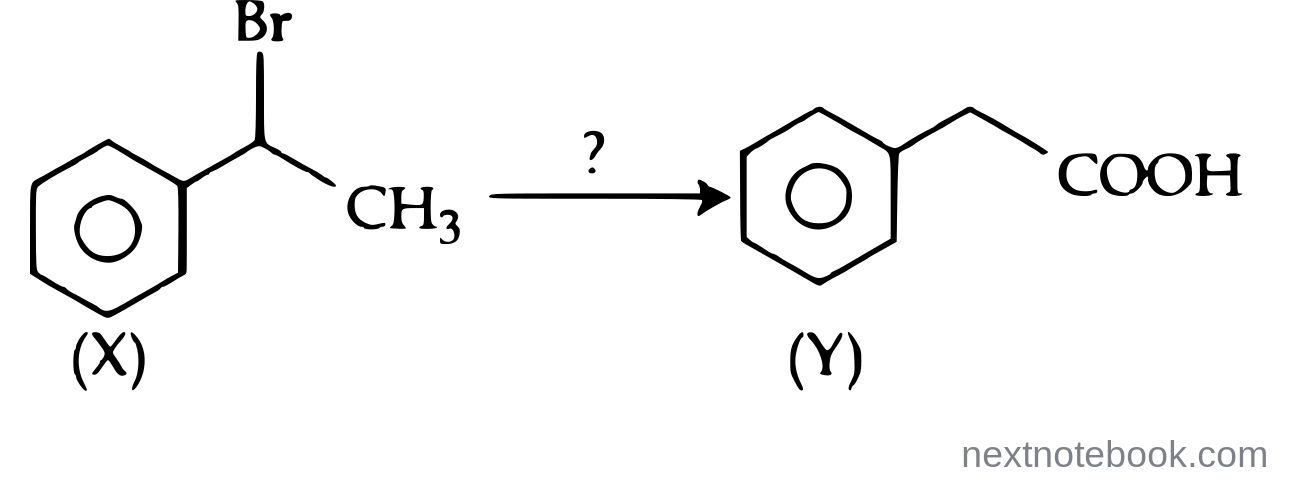
- Q1JEE Main 2026 · 23 Jan · Shift 1The correct sequence of reagents for the above conversion of to is:
 Tap an option to check.
Show answer
Correct answer: option 1,(i) (ii) (iii) Jones reagent - Q2JEE Main 2026 · 28 Jan · Shift 2Identify the correct statements: The presence of group in benzene ring A. activates the ring towards electrophilic substitutions. B. deactivates the ring towards electrophilic substitutions. C. activates the ring towards nucleophilic substitutions. D. deactivates the ring towards nucleophilic substitutions. Choose the correct answer from the options given below:Tap an option to check.
Show answer
Correct answer: option 3,B,C - Q3JEE Main 2026 · 22 Jan · Shift 1The correct order of reactivity of in methanol with the following nucleophiles is , , andTap an option to check.
Show answer
Correct answer: option 2, - Q4JEE Main 2026 · 28 Jan · Shift 2Which of the following reaction is NOT correctly represented?Tap an option to check.
Show answer
Correct answer: option 3,(C) 1-methylcyclohexene 1-(bromomethyl)cyclohexene - Q5JEE Main 2026 · 22 Jan · Shift 1As compared with chlorocyclohexane, which of the following statements correctly apply to chlorobenzene? A. The magnitude of negative charge is more on chlorine atom. B. The bond has partial double bond character. C. bond is less polar. D. The bond is longer due to repulsion between delocalised electrons of the aromatic ring and lone pairs of electrons of chlorine. E. The bond is formed using hybridised orbital of carbon. Choose the correct answer from the options given below:Tap an option to check.
Show answer
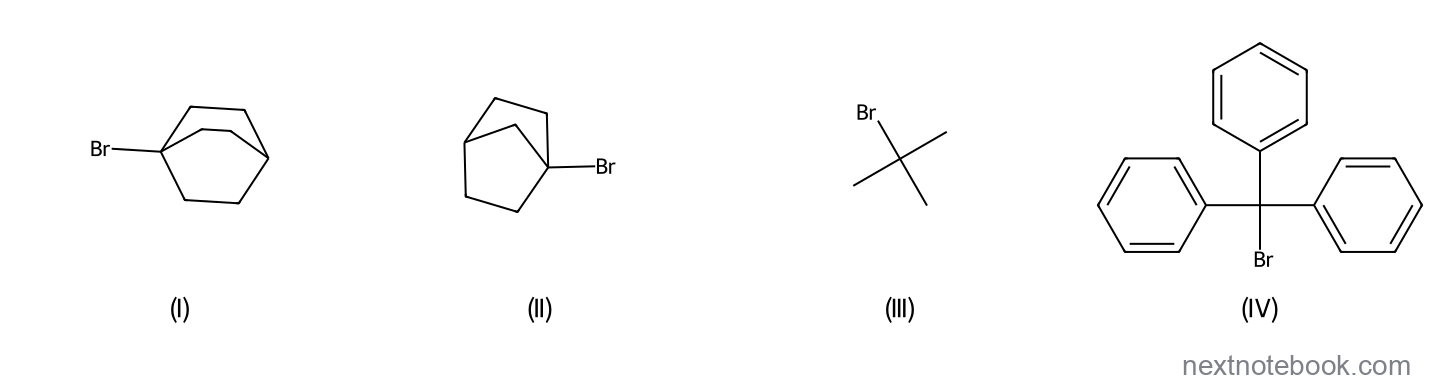
Correct answer: option 1,B, C and E Only - Q6JEE Main 2026 · 22 Jan · Shift 1The correct order of the rate of reaction of the following reactants with nucleophile by mechanism is: (Given: Structures I and II are rigid). The reactants are (I) 1-bromobicyclo[2.2.2]octane, (II) 1-bromobicyclo[2.2.1]heptane (1-bromonorbornane), (III) tert-butyl bromide, (IV) triphenylmethyl bromide, as shown in the figure.
 Tap an option to check.
Show answer
Correct answer: option 2, - Q7JEE Main 2026 · 24 Jan · Shift 1Given below are two statements:
Statement I: bond is stronger in than .
Statement II: The given optically active molecule (shown in the figure: one carbon bonded to Ph, Cl, Me and Et, with Me on a hashed wedge and Et on a solid wedge) on hydrolysis gives a solution that can rotate the plane polarized light.
In the light of the above statements, choose the correct answer from the options given below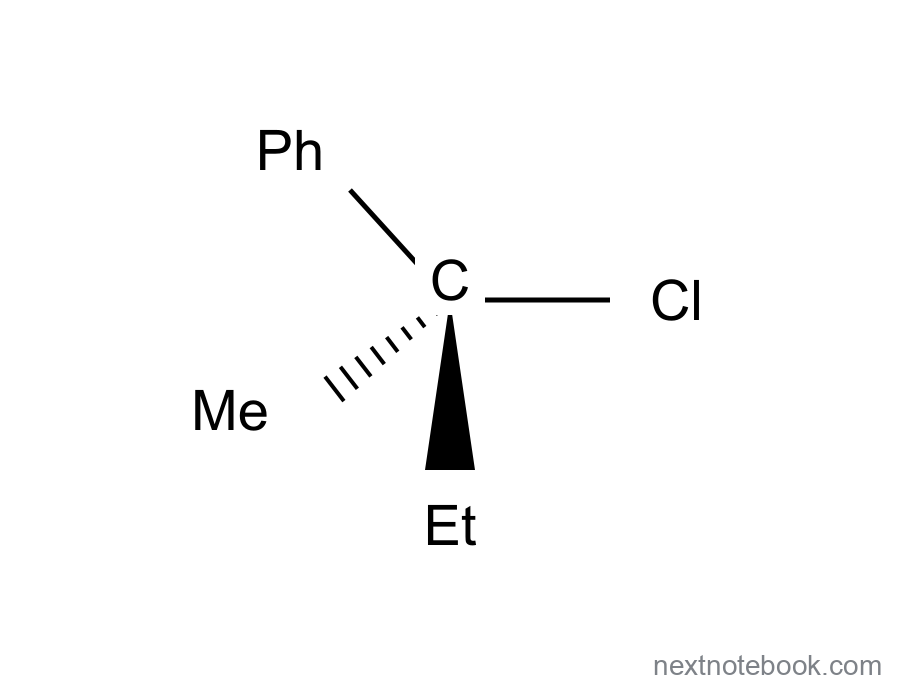 Tap an option to check.
Show answer
Correct answer: option 2,Statement I is true but Statement II is false - Q8JEE Main 2026 · 2 Apr · Shift 1Given below are two statements: Statement (I): Benzyl chloride reacts faster in mechanism than ethyl chloride. Statement (II): Ethyl carbocation intermediate is less stabilized by hyperconjugation than benzyl carbocation by resonance. In the light of the above statements, choose the correct answer from the options given below:Tap an option to check.
Show answer
Correct answer: option 1,Both Statement I and Statement II are true - Q9JEE Main 2026 · 2 Apr · Shift 2Correct statements regarding alkyl halides () among the following are: A. Alcohol being less polar solvent as compared to water, alcoholic favours elimination reaction with . B. Order of reactivity towards mechanism is . C. Non substituted aryl halides exhibit properties similar to alkyl halides. D. Vinyl chloride is an example of haloalkene and allyl chloride is an example of haloalkyne. E. can be prepared by reacting with but cannot be prepared by reacting with . Choose the correct answer from the options given below:Tap an option to check.
Show answer
Correct answer: option 3,A and E Only - Q10JEE Main 2026 · 4 Apr · Shift 1Match the LIST-I with LIST-II Choose the correct answer from the options given below:
List-I List-II A. Finkelstein reaction I. SbF3 B. Swarts reaction II. Na, dry ether C. Sandmeyer's reaction III. NaI D. Fittig reaction IV. Cu2Cl2 Tap an option to check.Show answer
Correct answer: option 2,A-III, B-I, C-IV, D-II
Show the other 50 questions
- Q11JEE Main 2026 · 23 Jan · Shift 2A mixed ether (P), when heated with excess of hot concentrated hydrogen iodide produces two different alkyl iodides which when treated with aq. give compounds (Q) and (R). Both (Q) and (R) give yellow precipitate with . Identify the mixed ether (P):Tap an option to check.
Show answer
Correct answer: option 4,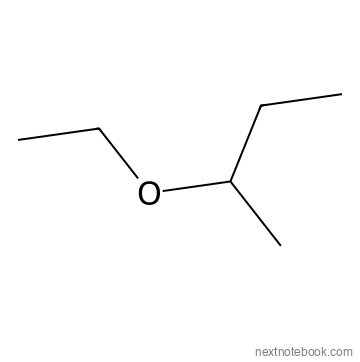
- Q12JEE Main 2026 · 24 Jan · Shift 1Match the LIST-I with LIST-II
List-I List-II Isothermal process for ideal gas system Work done A. Reversible expansion I. B. Free expansion II. C. Irreversible expansion III. D. Irreversible compression IV. Tap an option to check.Show answer
Correct answer: option 2,A-II, B-I, C-III, D-IV - Q13JEE Main 2026 · 8 Apr · Shift 2Given below are two statements:
Statement I: Due to increase in van der Waals forces, the order of boiling points is .
Statement II: As 1,4-dichlorobenzene (para, shown in the figure) is more symmetric, its melting point is higher than 1,2-dichlorobenzene (ortho), however its boiling point is lower than 1,2-dichlorobenzene.
In the light of the above statements, choose the correct answer from the options given below: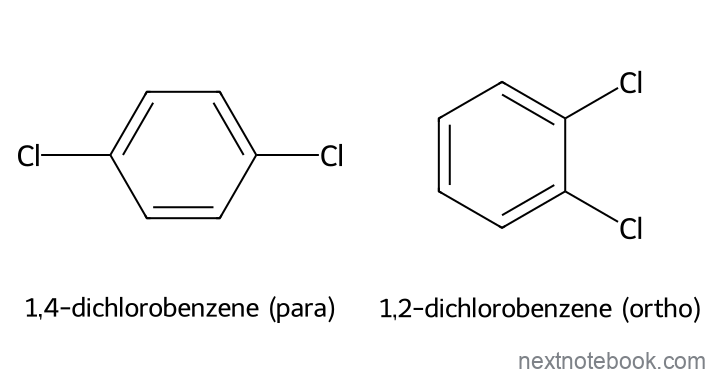 Tap an option to check.
Show answer
Correct answer: option 1,Both Statement I and Statement II are true - Q14JEE Main 2026 · 21 Jan · Shift 2The correct order of the rate of the reaction for the following reaction with respect to nucleophiles is:Tap an option to check.
Show answer
Correct answer: option 3, - Q15JEE Main 2026 · 5 Apr · Shift 1Benzyl isocyanide can be obtained from A. AgCN B. / Aq C. AgCN D. / Aq E. KCN Choose the correct answer from the options given below:Tap an option to check.
Show answer
Correct answer: option 1,A and B Only - Q16JEE Main 2026 · 21 Jan · Shift 2The correct order of reactivity of the following benzyl halides towards reaction with is:
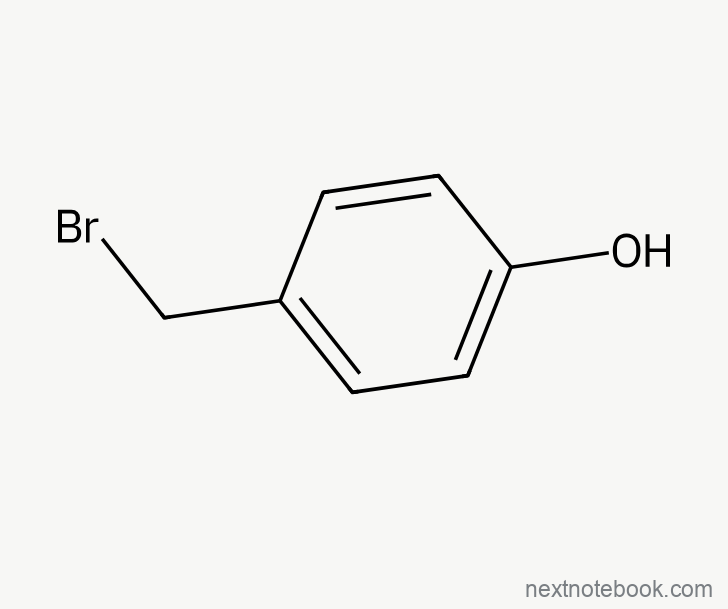
a 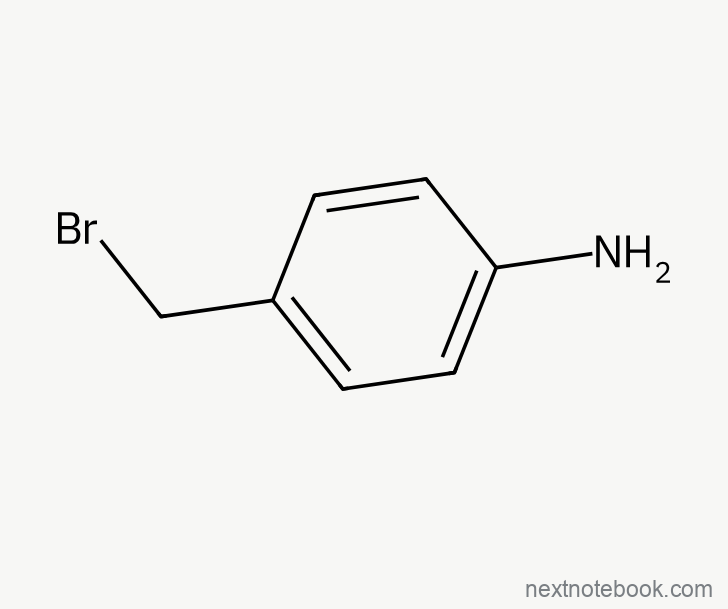
b 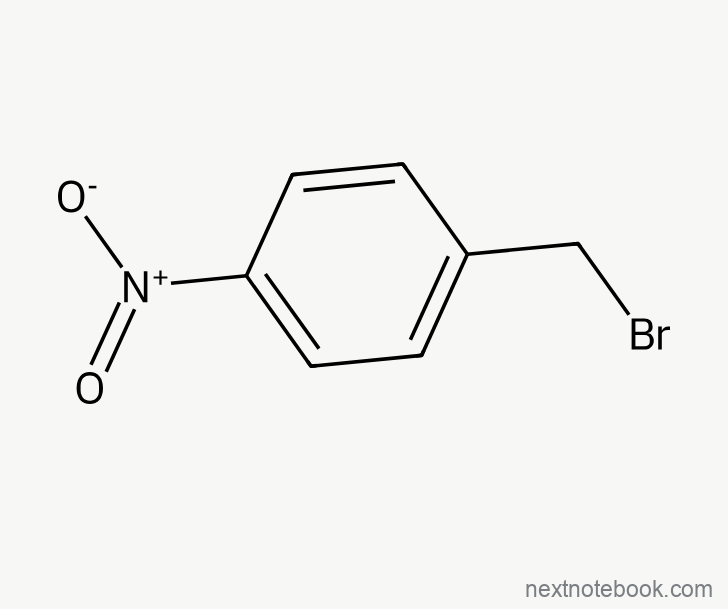
c 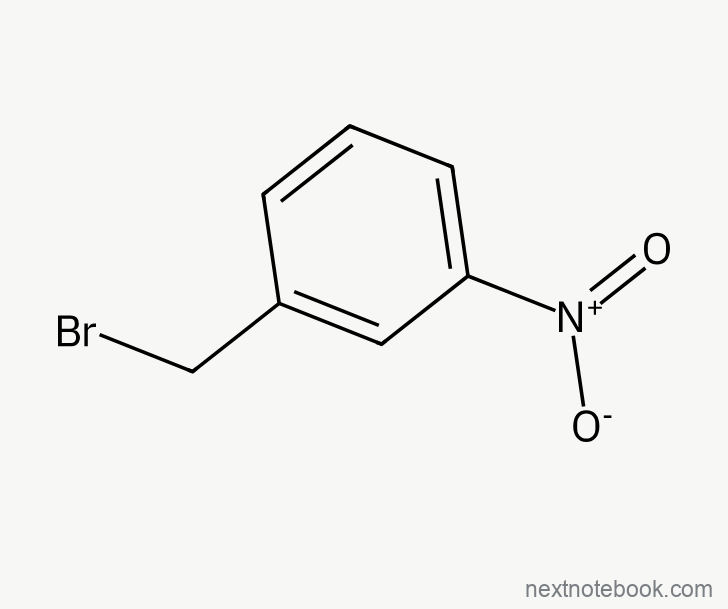
d 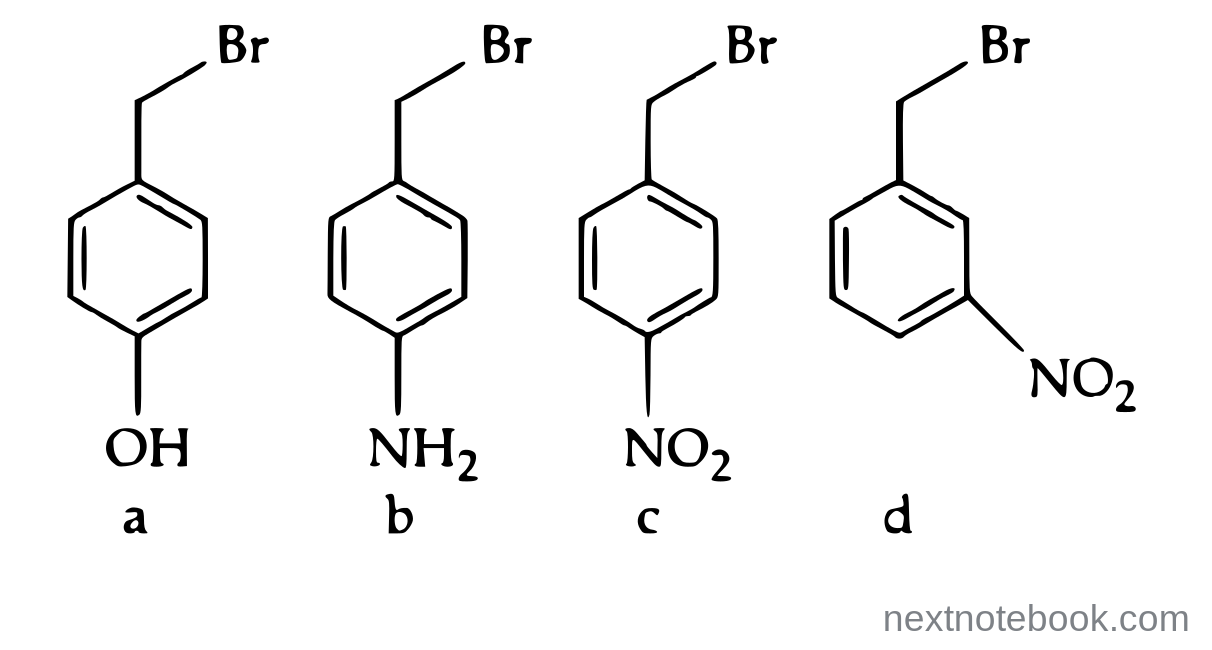 Tap an option to check.
Show answer
Correct answer: option 1, - Q17JEE Main 2026 · 5 Apr · Shift 2when treated with ice cold water liberated a gas which occupied at STP. The gas produced is further reacted with iodine in presence of to give compound . Compound in presence of and dry ether produced compound . Molar mass of compound is __________ . (Nearest integer)Tap Show answer to check.
Show answer
Answer: 30 - Q18JEE Main 2025 · 28 Jan · Shift 1Given below are two statements:
Statement I: will undergo alkaline hydrolysis at a faster rate than
Statement II: In , intramolecular substitution takes place first by involving lone pair of electrons on nitrogen.
In the light of the above statements, choose the most appropriate answer from the options given below.Tap an option to check.Show answer
Correct answer: option 1,Both Statement I and Statement II are correct - Q19JEE Main 2025 · 28 Jan · Shift 2The major product of the following reaction is:
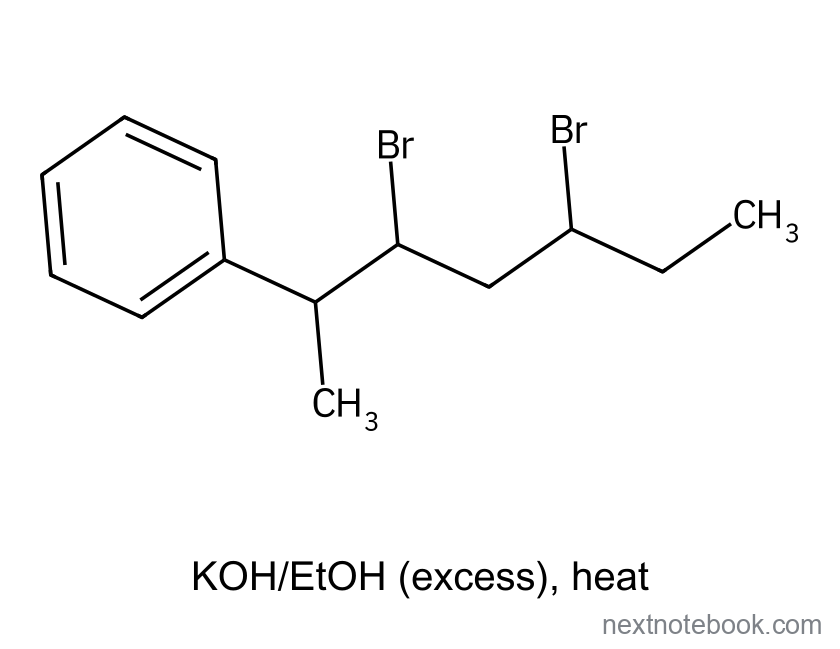 Tap an option to check.
Show answer
Correct answer: option 4,2-Phenylhepta-2,4-diene - Q20JEE Main 2025 · 23 Jan · Shift 1Match the LIST-I with LIST-II. LIST-I (Name reaction): A. Swarts reaction; B. Sandmeyer's reaction; C. Wurtz-Fittig reaction; D. Finkelstein reaction. LIST-II (Product obtained): I. Ethylbenzene; II. Ethyl iodide; III. Cyanobenzene; IV. Ethyl fluoride. Choose the correct answer from the options given below:Tap an option to check.
Show answer
Correct answer: option 3,A-IV, B-III, C-I, D-II - Stuck on one?Log in free
See the step-by-step solution and video for every question, free with login.
- Q21JEE Main 2025 · 4 Apr · Shift 2Given below are two statements: Statement (I): Alcohols are formed when alkyl chlorides are treated with aqueous potassium hydroxide by elimination reaction. Statement (II): In alcoholic potassium hydroxide, alkyl chlorides form alkenes by abstracting the hydrogen from the -carbon. In the light of the above statements, choose the most appropriate answer from the options given below:Tap an option to check.
Show answer
Correct answer: option 4,Statement I is incorrect but Statement II is correct - Q22JEE Main 2025 · 28 Jan · Shift 2The product B formed in the following reaction sequence is: — (Major)→ (A) — (Major)→ (B)
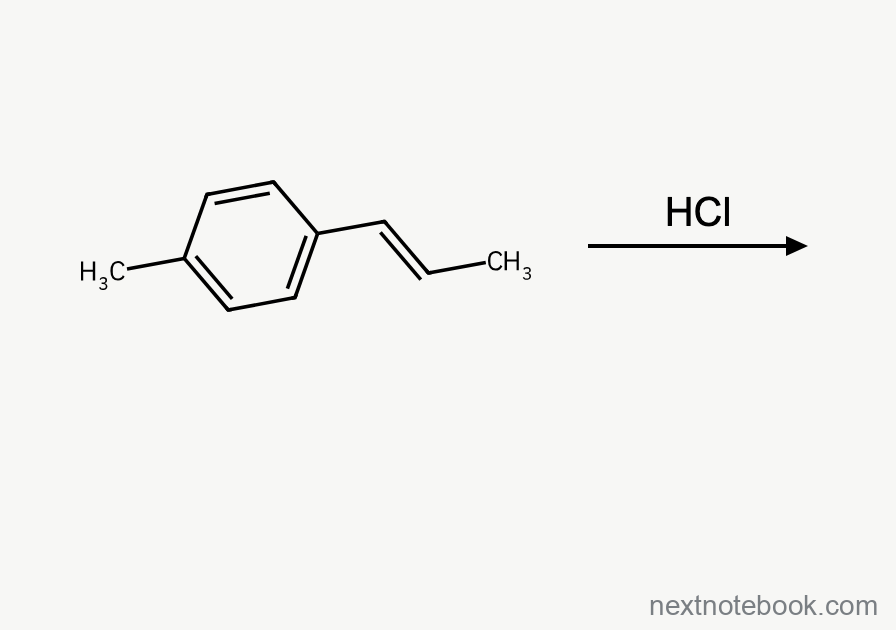 Tap an option to check.
Show answer
Correct answer: option 1,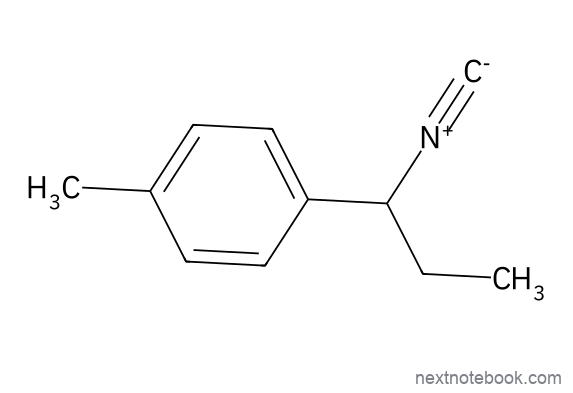
- Q23JEE Main 2025 · 24 Jan · Shift 1Given below are two statements:
Statement I: The conversion proceeds well in the less polar medium.
Statement II: The conversion proceeds well in the more polar medium.Tap an option to check.Show answer
Correct answer: option 1,Both Statement I and Statement II are true - Q24JEE Main 2025 · 28 Jan · Shift 1The products A and B in the following reactions, respectively are
 Tap an option to check.
Show answer
Correct answer: option 4, - Q25JEE Main 2025 · 4 Apr · Shift 2Which among the following compounds give yellow solid when reacted with ? (A) (B) (C) (D) (E) Choose the correct answer from the options given below:Tap an option to check.
Show answer
Correct answer: option 1,(A) and (C) Only - Q26JEE Main 2025 · 2 Apr · Shift 2Match List - I with List - II. Choose the correct answer from the options given below:
List - I List - II (heading) (Reaction) (heading) (Name of reaction) (A) 2 (aryl halide, X on a benzene ring) + 2Na —Dry Ether→ (biphenyl) + 2NaX (I) Lucas reaction (B) —Cu/HCl→ (II) Finkelstein reaction (C) —Dry Acetone→ (III) Fittig reaction (D) —HCl/ZnCl → (IV) Gatterman reaction Tap an option to check.Show answer
Correct answer: option 2,(A)-(III), (B)-(IV), (C)-(II), (D)-(I) - Q27JEE Main 2025 · 24 Jan · Shift 2The structure of the major product formed in the following reaction is:
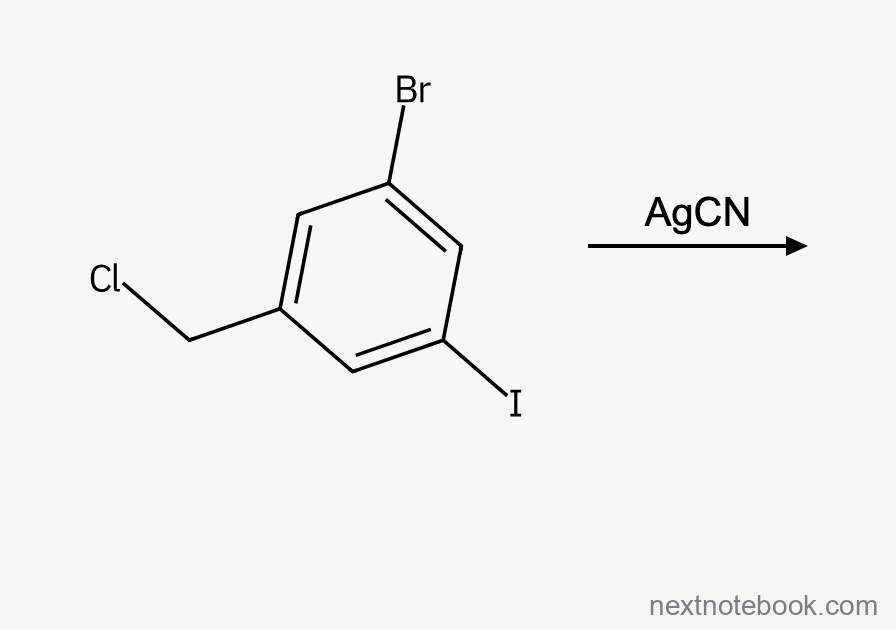 Tap an option to check.
Show answer
Correct answer: option 2,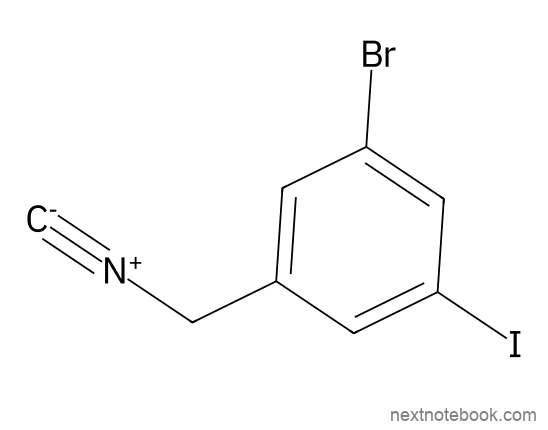
- Q28JEE Main 2025 · 7 Apr · Shift 2Match List - I with List - II. List - I Conversion List - II Reagents, Conditions used Choose the correct answer from the options given below: Options:
List - I List - II (heading) Conversion (heading) Reagents, Conditions used (A) Chlorobenzene → phenol (I) Warm, H2O (B) p-Chloronitrobenzene → p-nitrophenol (II) (a) NaOH, 368K; (b) H3O+ (C) 2,4-Dinitrochlorobenzene → 2,4-dinitrophenol (III) (a) NaOH, 443K; (b) H3O+ (D) 2,4,6-Trinitrochlorobenzene → 2,4,6-trinitrophenol (IV) (a) NaOH, 623K, 300 atm; (b) H3O+ 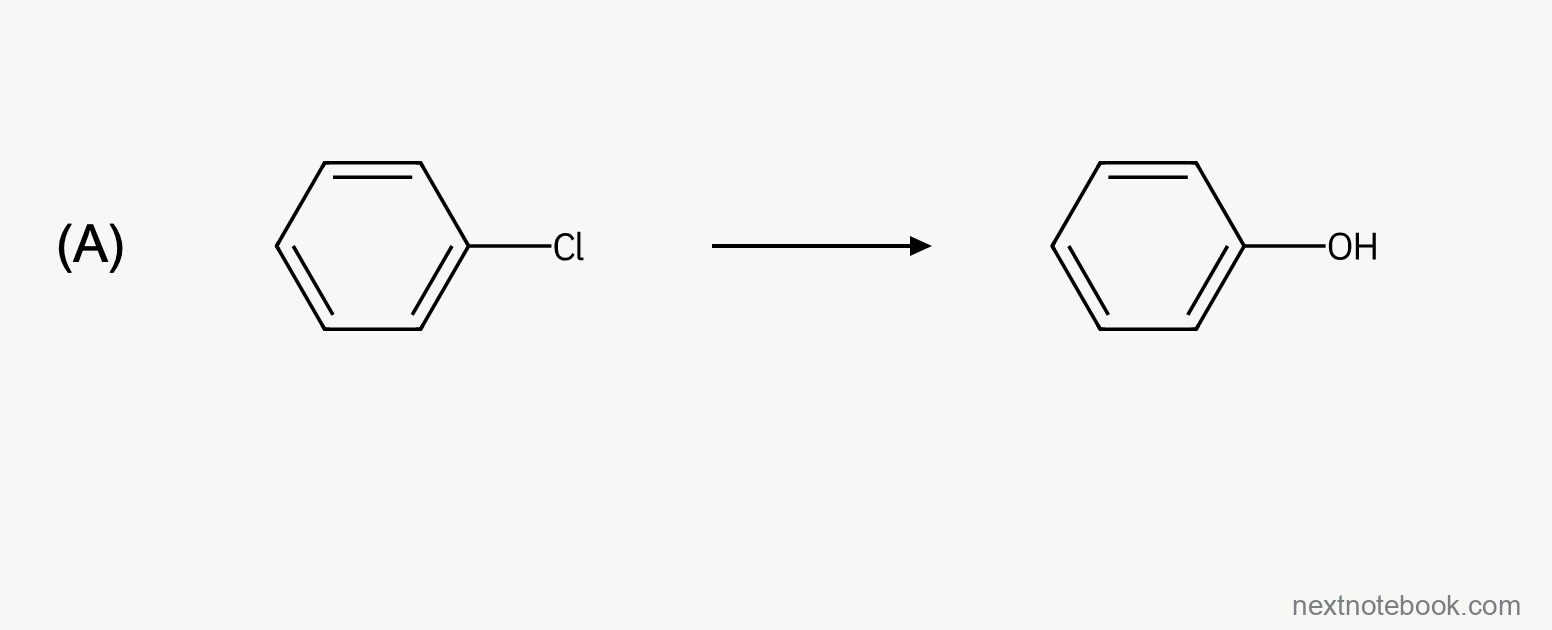
(A) 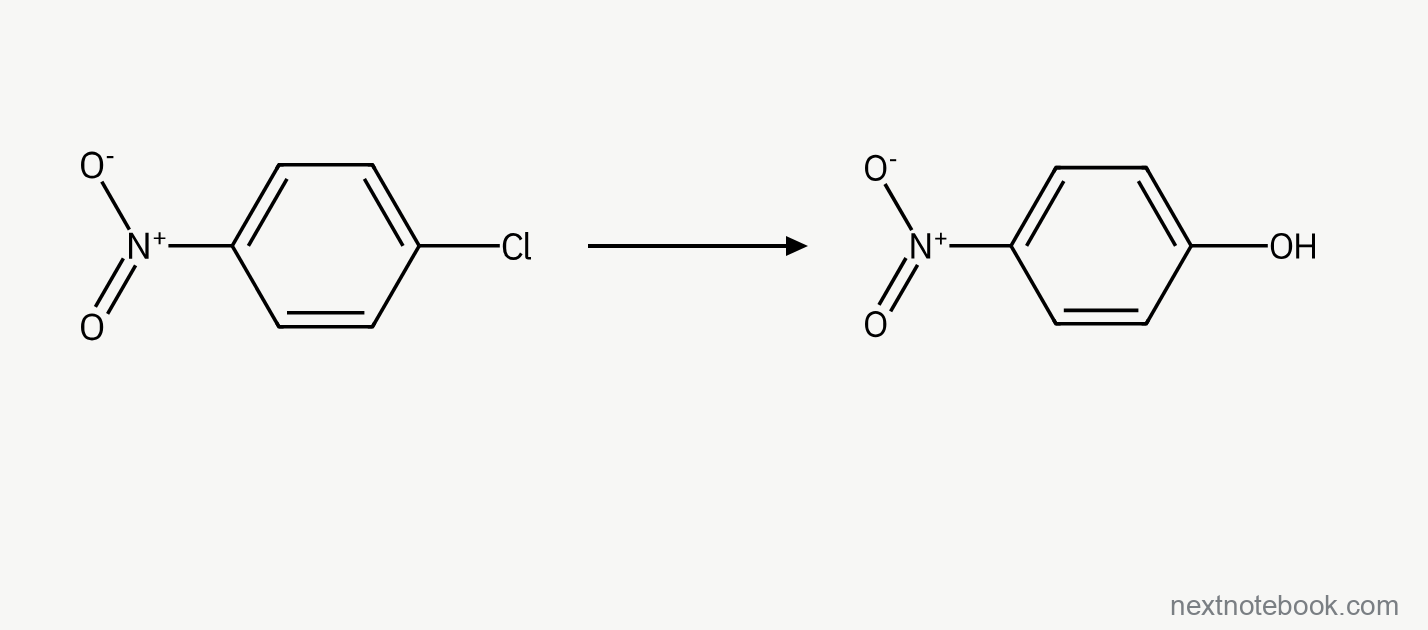
(B) 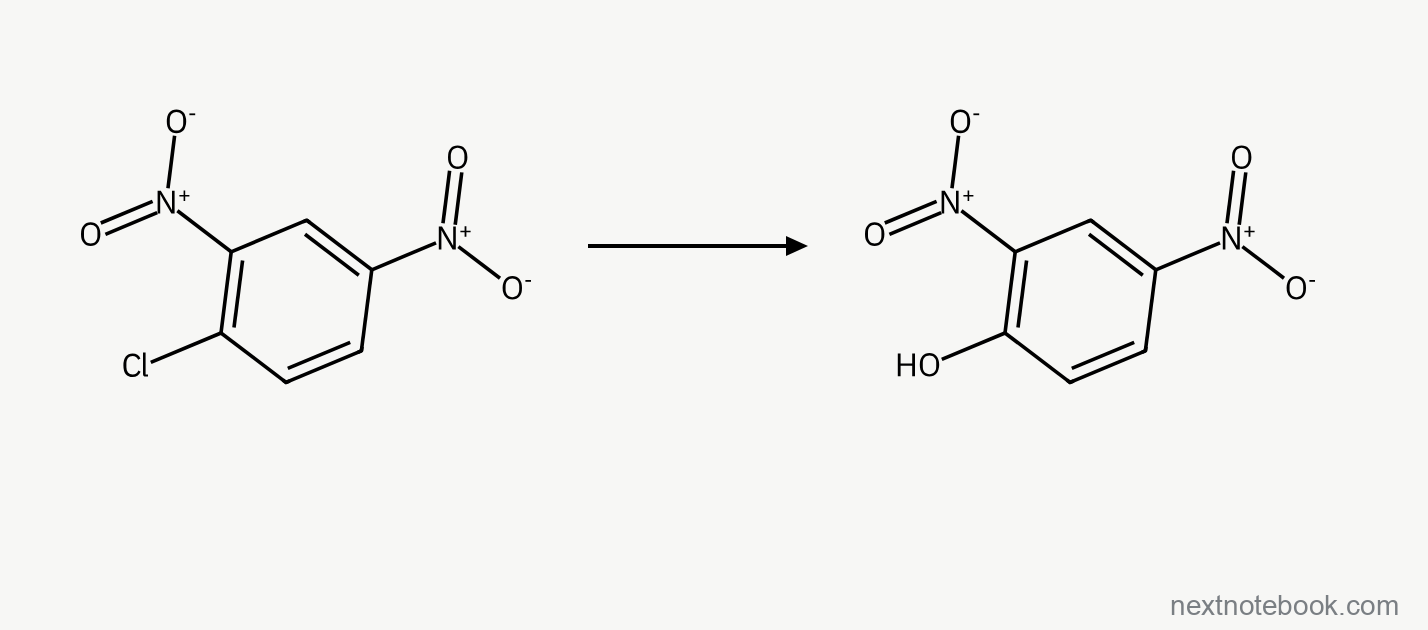
(C) 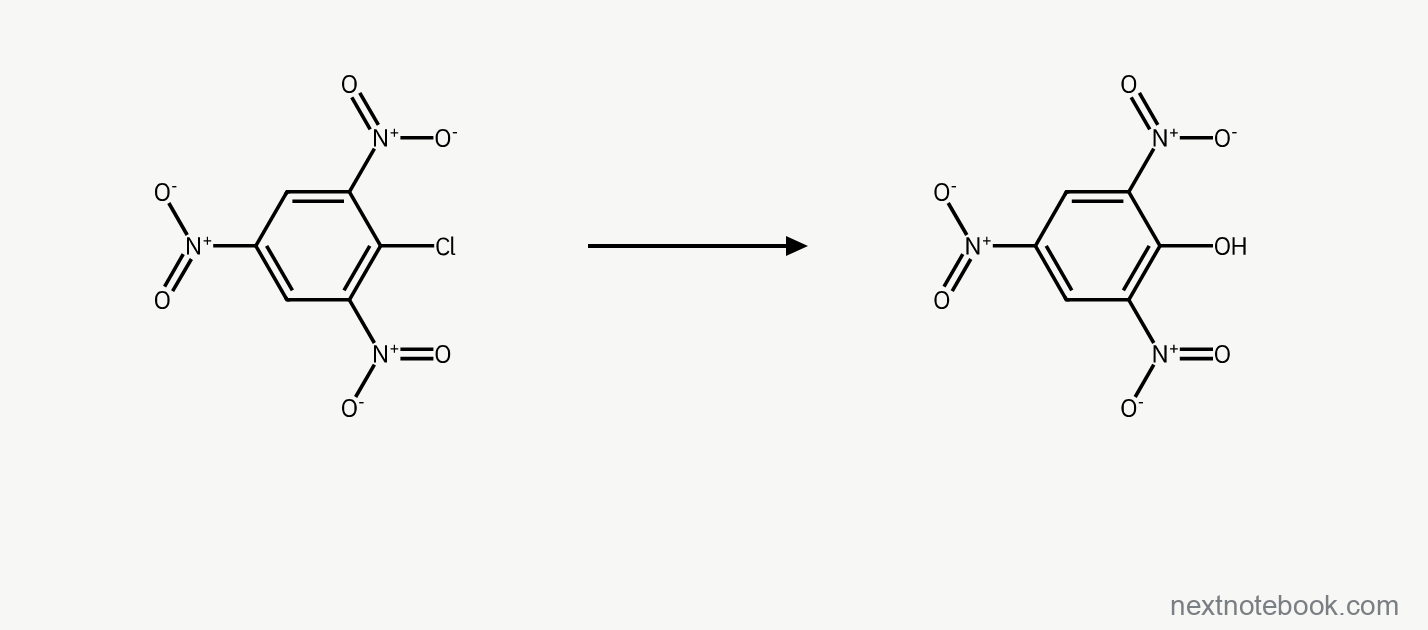
(D) Tap an option to check.Show answer
Correct answer: option 4,(A)-(IV), (B)-(III), (C)-(II), (D)-(I) - Q29JEE Main 2025 · 23 Jan · Shift 2The ascending order of relative rate of solvolysis of the following compounds is:
(A) 1-bromo-1,4,4-trimethylcyclohexane,
(B) 1-bromo-4-methyl-1,2,3,4-tetrahydronaphthalene,
(C) bromodiphenylmethane (),
(D) 2-bromo-3-methylpentane.Tap an option to check.Show answer
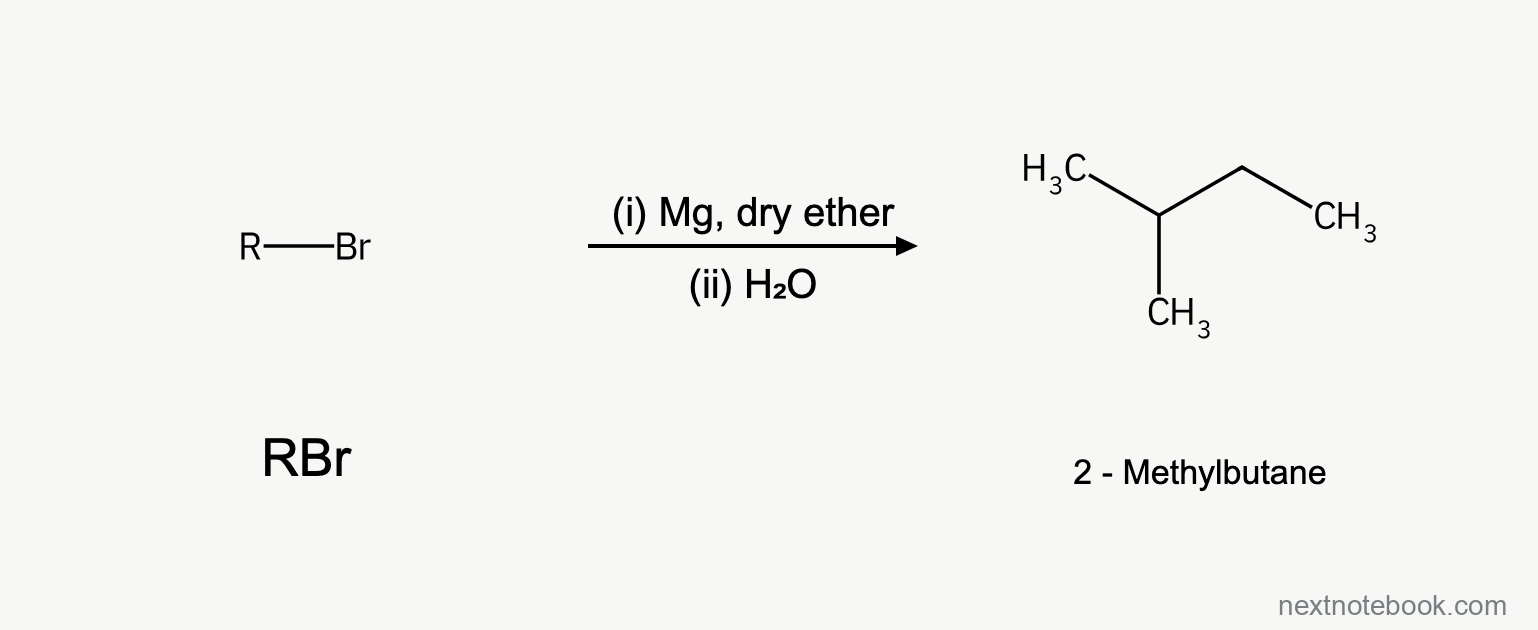
Correct answer: option 4,(D) < (A) < (B) < (C) - Q30JEE Main 2025 · 22 Jan · Shift 2RBr — (i) Mg, dry ether; (ii) H2O → 2 - Methylbutane The maximum number of RBr producing 2-methylbutane by above sequence of reactions is ________. (Consider the structural isomers only)
 Tap an option to check.
Show answer
Correct answer: option 2,4 - Stuck on one?Log in free
See the step-by-step solution and video for every question, free with login.
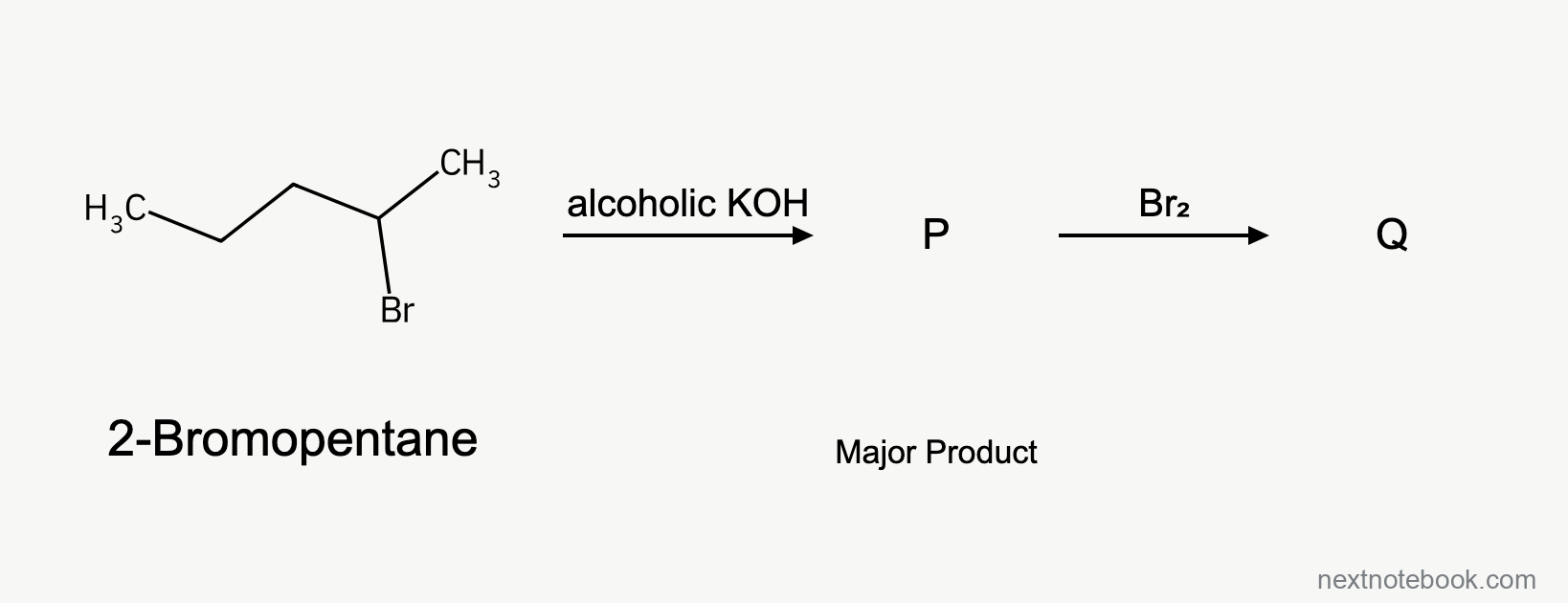
- Q31JEE Main 2025 · 2 Apr · Shift 22-Bromopentane P (Major Product) Q Consider the above sequence of reactions. 151 g of 2-bromopentane is made to react. Yield of major product P is 80% whereas Q is 100%. Mass of product Q obtained is ________ g. (Given molar mass in H: 1, C: 12, O: 16, Br: 80)
 Tap Show answer to check.
Show answer
Answer: 184 - Q32JEE Main 2024 · 8 Apr · Shift 1Which among the following compounds will undergo fastest reactionTap an option to check.
Show answer
Correct answer: option 2,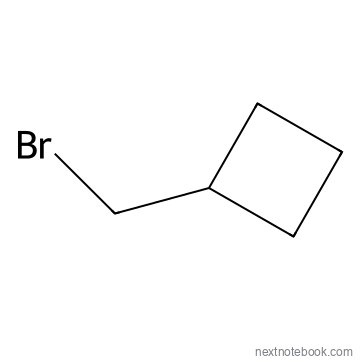
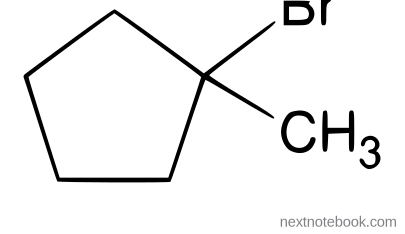
- Q33JEE Main 2024 · 5 Apr · Shift 2Identify the major product in the following reaction. [Reaction shown: substituted cyclopentane with and ; Major Product]
 Tap an option to check.
Show answer
Correct answer: option 1,1-methylcyclopent-1-ene - Q34JEE Main 2024 · 31 Jan · Shift 1The product in the below mentioned reaction is:Tap an option to check.
Show answer
Correct answer: option 1,Propene - Q35JEE Main 2024 · 1 Feb · Shift 1Given below are two statements: one is labelled as Assertion (A) and the other is labelled as Reason (R)
Assertion (A): Haloalkanes react with to form alkyl cyanides as a main product while with form isocyanide as the main product
Reason (R): and both are highly ionic compounds.
In the light of the above statements, choose the most appropriate answer from the options given below.Tap an option to check.Show answer
Correct answer: option 1,(A) is correct but (R) is not correct - Q36JEE Main 2024 · 30 Jan · Shift 2Given below are two statements:
Statement I: High concentration of strong nucleophilic reagent with secondary alkyl halides which do not have bulky substituents will follow mechanism.
Statement II: A secondary alkyl halide when treated with a large excess of ethanol follows mechanism.
In the light of the above statements, choose the most appropriate from the options given below:Tap an option to check.Show answer
Correct answer: option 4,Both Statement I and Statement II are true - Q37JEE Main 2024 · 8 Apr · Shift 2Given below are two statements:
Statement I: reactions are stereospecific, indicating that they result in the formation of only one stereo-isomer as the product.
Statement II: reactions generally result in formation of product as racemic mixture.
In the light of the above statements, choose the correct answer from the options given below:Tap an option to check.Show answer
Correct answer: option 1,Both Statement I and Statement II are true. - Q38JEE Main 2024 · 9 Apr · Shift 2(alc) Major Product 'P'
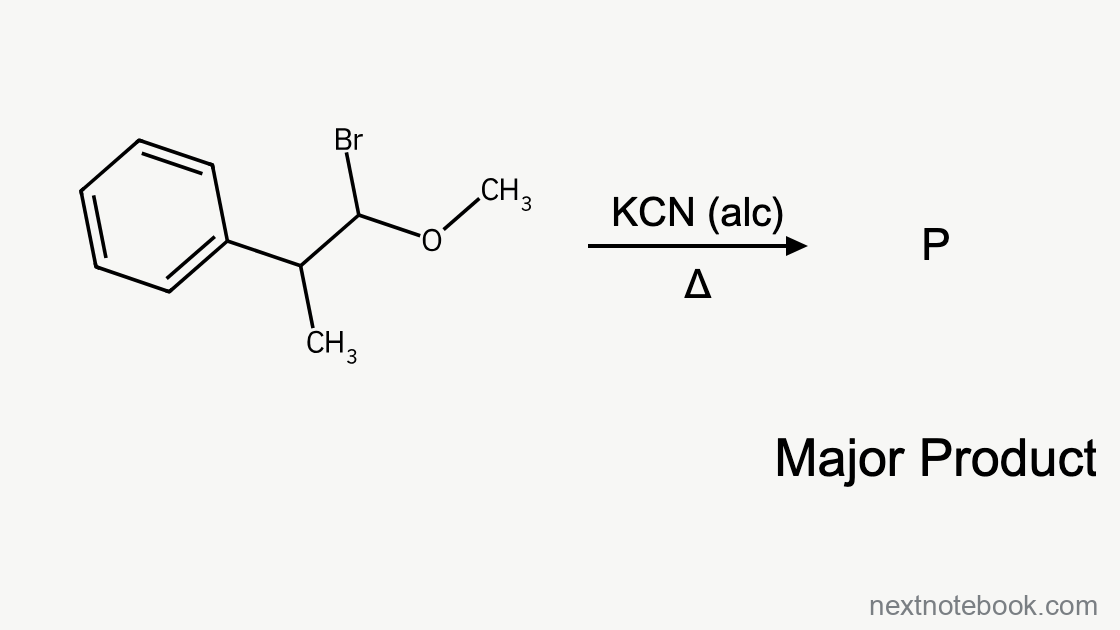 Tap an option to check.
Show answer
Correct answer: option 3,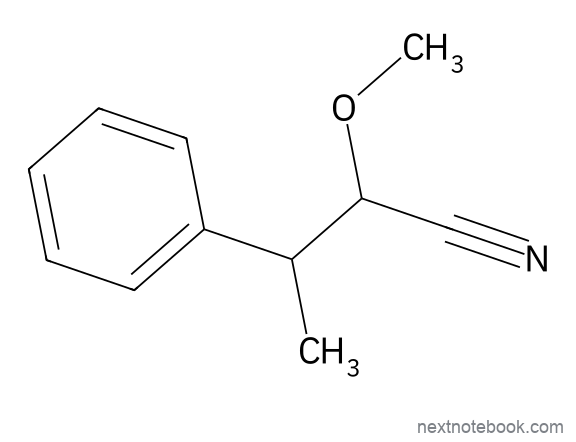
- Q39JEE Main 2024 · 6 Apr · Shift 1Match the List I with List II Choose the correct answer from the options given below:
List-I (Compound) List-II (Uses) (a) Iodoform (I) Fire extinguisher (b) Carbon tetrachloride (II) Insecticide (c) CFC (III) Antiseptic (d) DDT (IV) Refrigerants Tap an option to check.Show answer
Correct answer: option 1,a - III, b - I, c - IV, d - II - Q40JEE Main 2024 · 9 Apr · Shift 1Given below are two statements: One is labelled as Assertion (A) and the other is labeled as
Reason (R):
Assertion (A): reaction of occurs more readily than the reaction of
Reason (R): The partially bonded unhybridized p-orbital develops in the trigonal bipyramidal transition state is stabilized by conjugation with the phenyl ring..
In the light of the above statements, choose the most appropriate answer from the options given below:Tap an option to check.Show answer
Correct answer: option 3,Both (A) and (R) are correct and (R) is the correct explanation of (A). - Stuck on one?Log in free
See the step-by-step solution and video for every question, free with login.
- Q41JEE Main 2024 · 27 Jan · Shift 1The correct statement regarding nucleophilic substitution reaction in a chiral alkyl halide is:Tap an option to check.
Show answer
Correct answer: option 2,Racemisation occurs in reaction and inversion occurs in reaction. - Q42JEE Main 2024 · 1 Feb · Shift 2Match List-I with List-II Choose the correct answer from the options given below:
List-I Compound List-II Use (A) Carbon tetrachloride (I) Paint remover (B) Methylene chloride (II) Refrigerators and air conditioners (C) DDT (III) Fire extinguisher (D) Freons (IV) Non Biodegradable insecticide Tap an option to check.Show answer
Correct answer: option 2,(A) – (III), (B) – (I), (C) – (IV), (D) – (II) - Q43JEE Main 2024 · 30 Jan · Shift 1Example of vinylic halide is Option:Tap an option to check.
Show answer
Correct answer: option 1,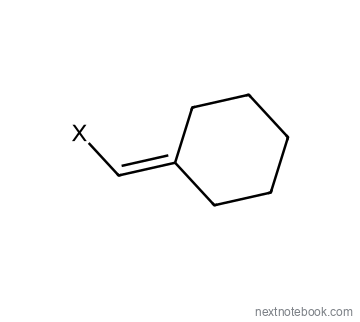
- Q44JEE Main 2024 · 4 Apr · Shift 2(alc) major product "P" Product P is
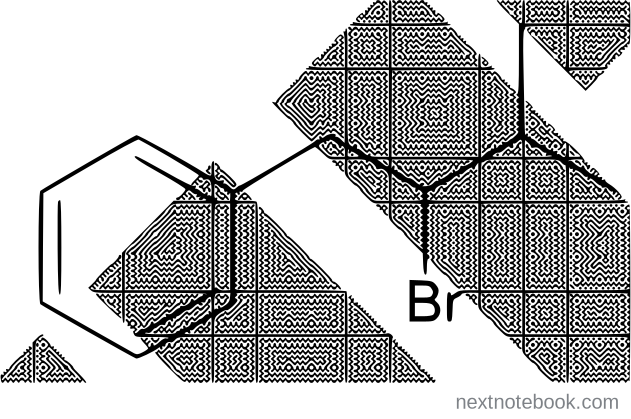 Tap an option to check.
Show answer
Correct answer: option 1,[figure] - Q45JEE Main 2024 · 1 Feb · Shift 1Identify A and B in the following sequence of reaction: tolueneTap an option to check.
Show answer
Correct answer: option 2,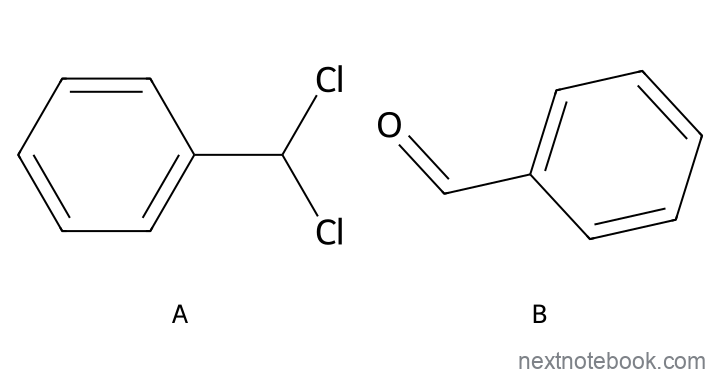
- Q46JEE Main 2024 · 4 Apr · Shift 2Find out the major product formed from the following reaction [Me: ] ( )
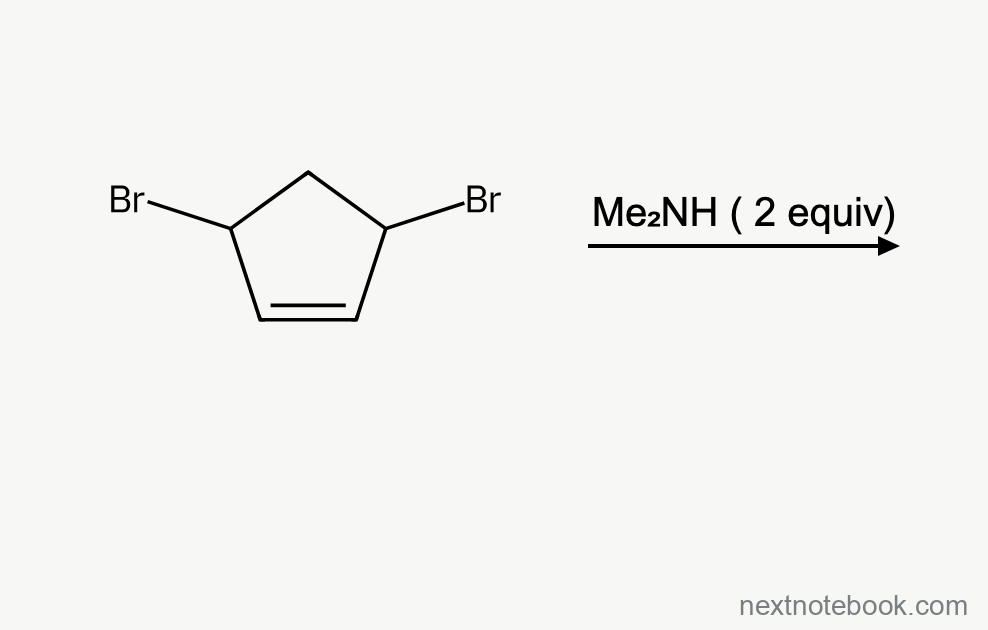 Tap an option to check.
Show answer
Correct answer: option 2,(B) Chemical structure: cyclopentene bearing groups at the upper-right and lower-right ring carbon atoms. - Q47JEE Main 2024 · 9 Apr · Shift 2Which of the following compound can give positive iodoform test when treated with aqueous KOH solution followed by potassium hypoiodite.Tap an option to check.
Show answer
Correct answer: option 1, - Q48JEE Main 2024 · 29 Jan · Shift 2Alkyl halide is converted into alkyl isocyanide by reaction withTap an option to check.
Show answer
Correct answer: option 2,AgCN - Q49JEE Main 2024 · 30 Jan · Shift 1Given below are two statements: one is labelled as Assertion (A) and the other is labelled as Reason (R).
Assertion (A): is an example of allyl halide.
Reason (R): Allyl halides are the compounds in which the halogen atom is attached to hybridised carbon atom.
In the light of the above statements, choose the most appropriate answer from the options given below:Tap an option to check.Show answer
Correct answer: option 1,(A) is true but (R) is false. - Q50JEE Main 2024 · 6 Apr · Shift 2Consider the above chemical reaction, product “A” is
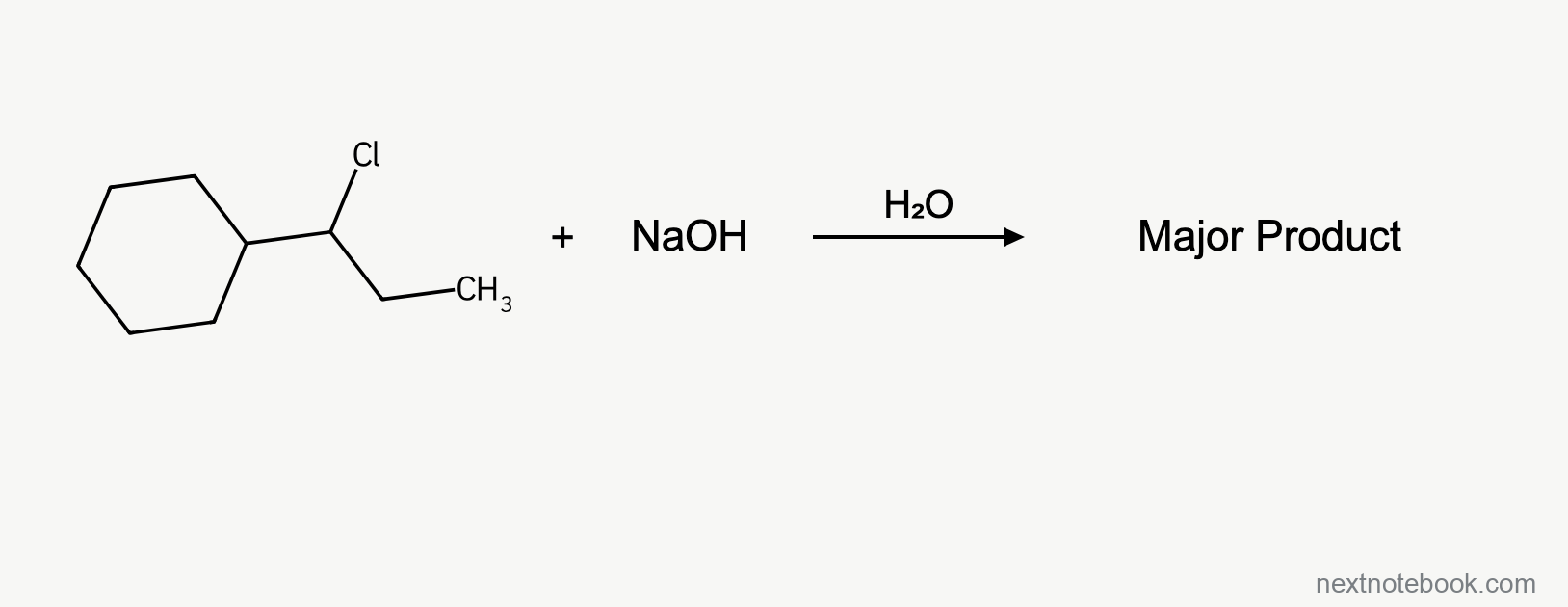 Tap an option to check.
Show answer
Correct answer: option 1,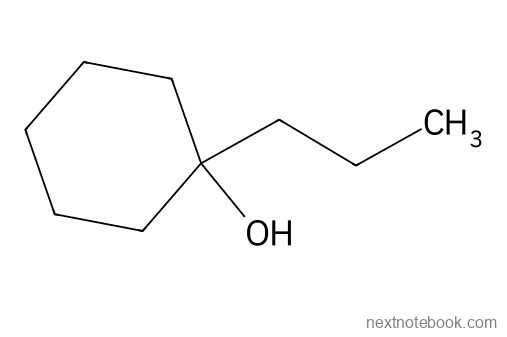
- Stuck on one?Log in free
See the step-by-step solution and video for every question, free with login.
- Q51JEE Main 2024 · 4 Apr · Shift 1Identify the correct set of reagents or reaction conditions ‘X’ and ‘Y’ in the following set of transformation. — ‘X’ → Product — ‘Y’ →Tap an option to check.
Show answer
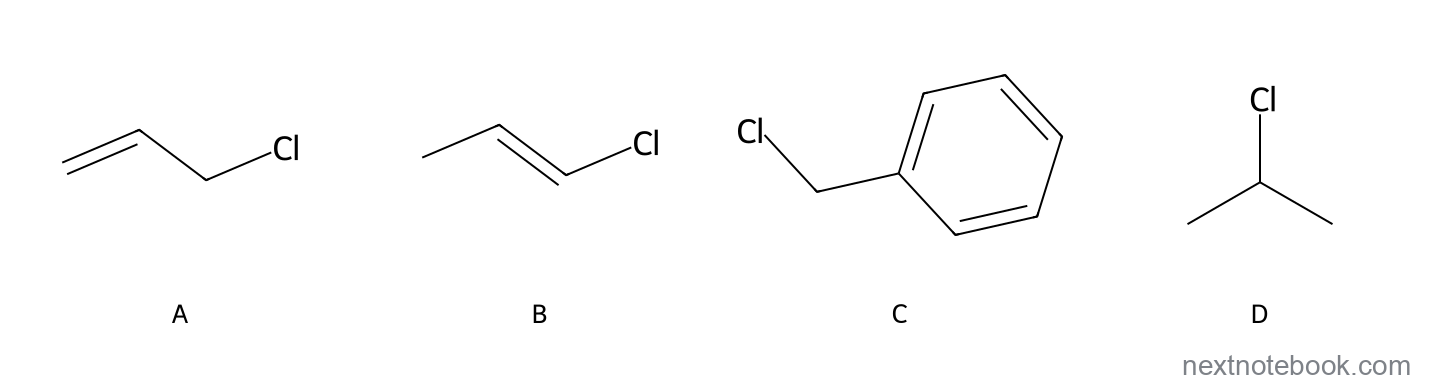
Correct answer: option 1,X = conc.alc. , , Y = / acetic acid - Q52JEE Main 2024 · 27 Jan · Shift 2Which among the following halide/s will not show reaction: (A) (B) (C) benzyl chloride, (D) isopropyl chloride, . Choose the most appropriate answer from the options given below:
 Tap an option to check.
Show answer
Correct answer: option 3,(B) only - Q53JEE Main 2024 · 31 Jan · Shift 2Identify A and B in the following reaction sequence: Bromobenzene (A) (B)Tap an option to check.
Show answer
Correct answer: option 2,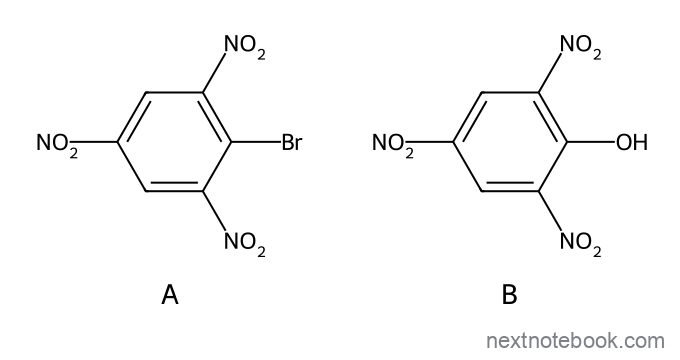
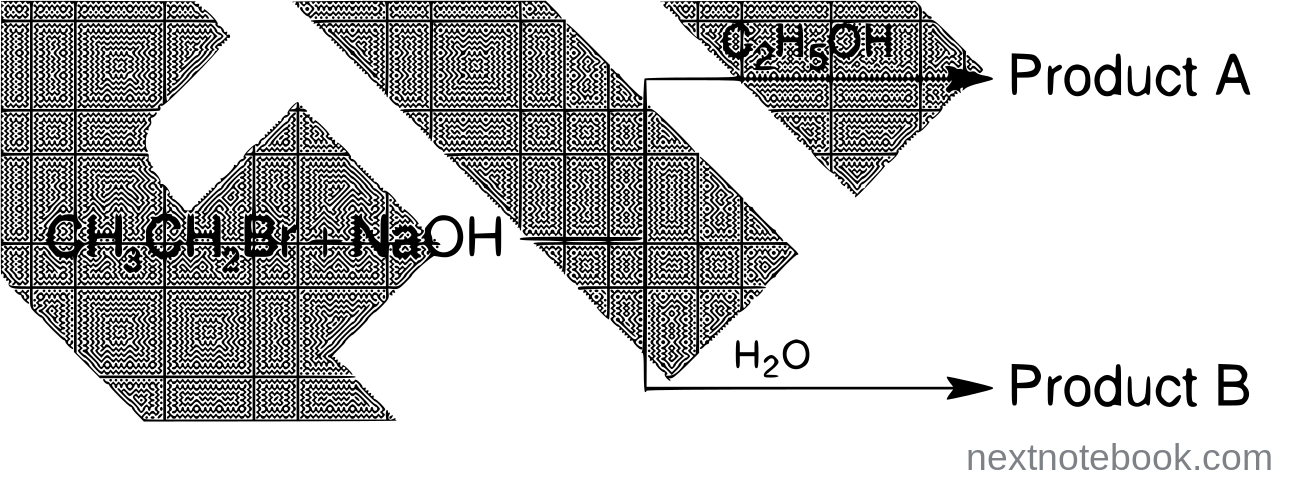
- Q54JEE Main 2024 · 31 Jan · Shift 1Product A; Product B The total number of hydrogen atoms in product A and product B is ________________.
 Tap Show answer to check.
Show answer
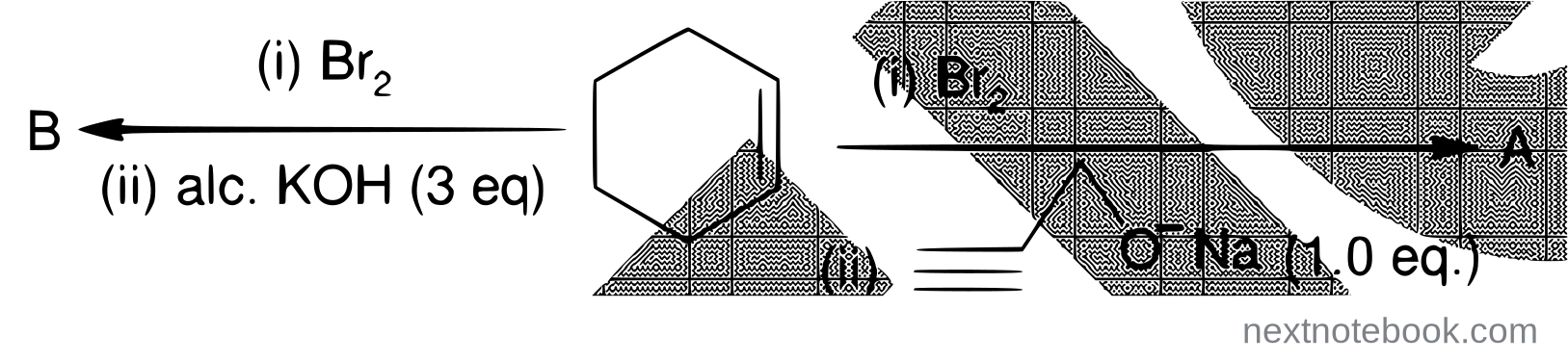
Answer: 10 - Q55JEE Main 2024 · 6 Apr · Shift 1The major products from the following reaction sequence are product A and product B B (i) ; (ii) alc. KOH () (i) ; (ii) () A The total sum of electrons in product A and product B are __________(nearest integer)
 Tap Show answer to check.
Show answer
Answer: 8 - Q56JEE Main 2023 · 31 Jan · Shift 2In the following halogenated organic compounds the one with maximum number of chlorine atoms in its structure is:Tap an option to check.
Show answer
Correct answer: option 2,Gammexene - Q57JEE Main 2023 · 11 Apr · Shift 1Where = Nucleophile Find out the correct statement from the options given below for the above reactions.
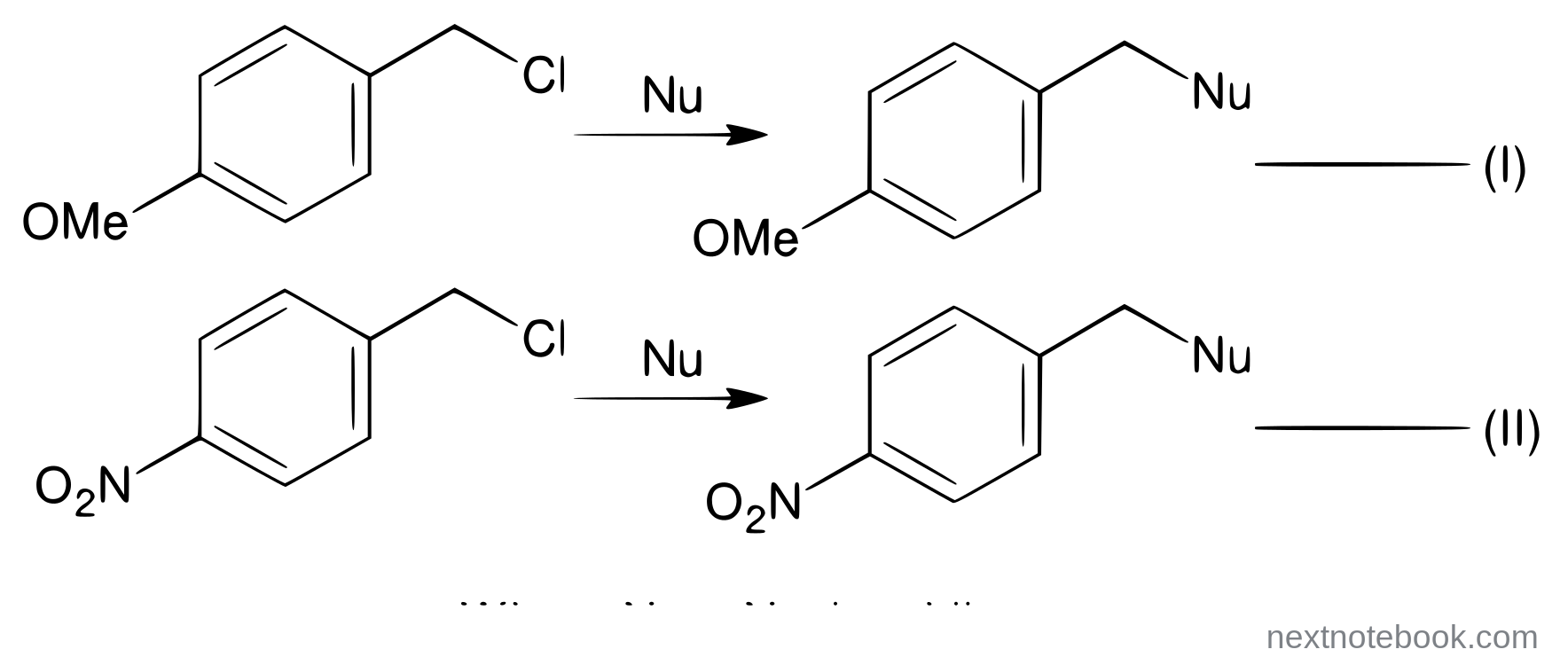 Tap an option to check.
Show answer
Correct answer: option 3,Reaction (I) is of order and reaction (II) is of order - Q58JEE Main 2023 · 11 Apr · Shift 2Compound from the following that will not produce precipitate on reaction with is:Tap an option to check.
Show answer
Correct answer: option 3,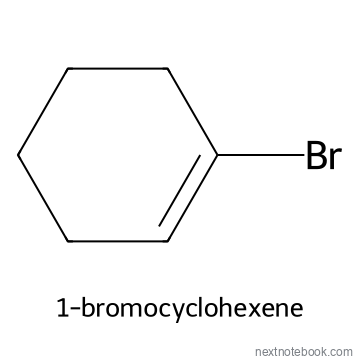
- Q59JEE Main 2023 · 25 Jan · Shift 1The compound which will have the lowest rate towards nucleophilic aromatic substitution on treatment with isTap an option to check.
Show answer
Correct answer: option 2,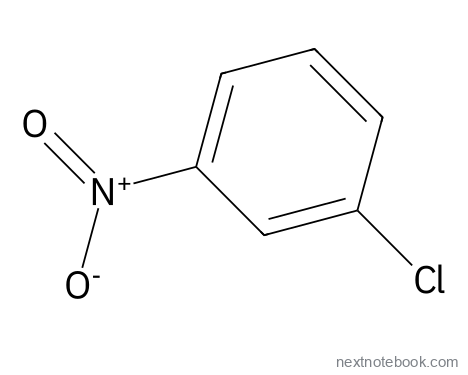
- Q60JEE Main 2023 · 24 Jan · Shift 1Assertion A: Hydrolysis of an alkyl chloride is a slow reaction but in the presence of , the rate of the hydrolysis increases.
Reason R: is a good nucleophile as well as a good leaving group.
In the light of the above statements choose correct answer from options given below:Tap an option to check.Show answer
Correct answer: option 2,Both A and R are true and R is the correct explanation of A
Showing 60 of 153 questions. The rest are free after login.
Practise Nucleophilic substitution of haloalkanes first. Solutions and video answers are free.